Beginner's Guide to Suffolk Farmers' Markets: What to Expect and How to Shop
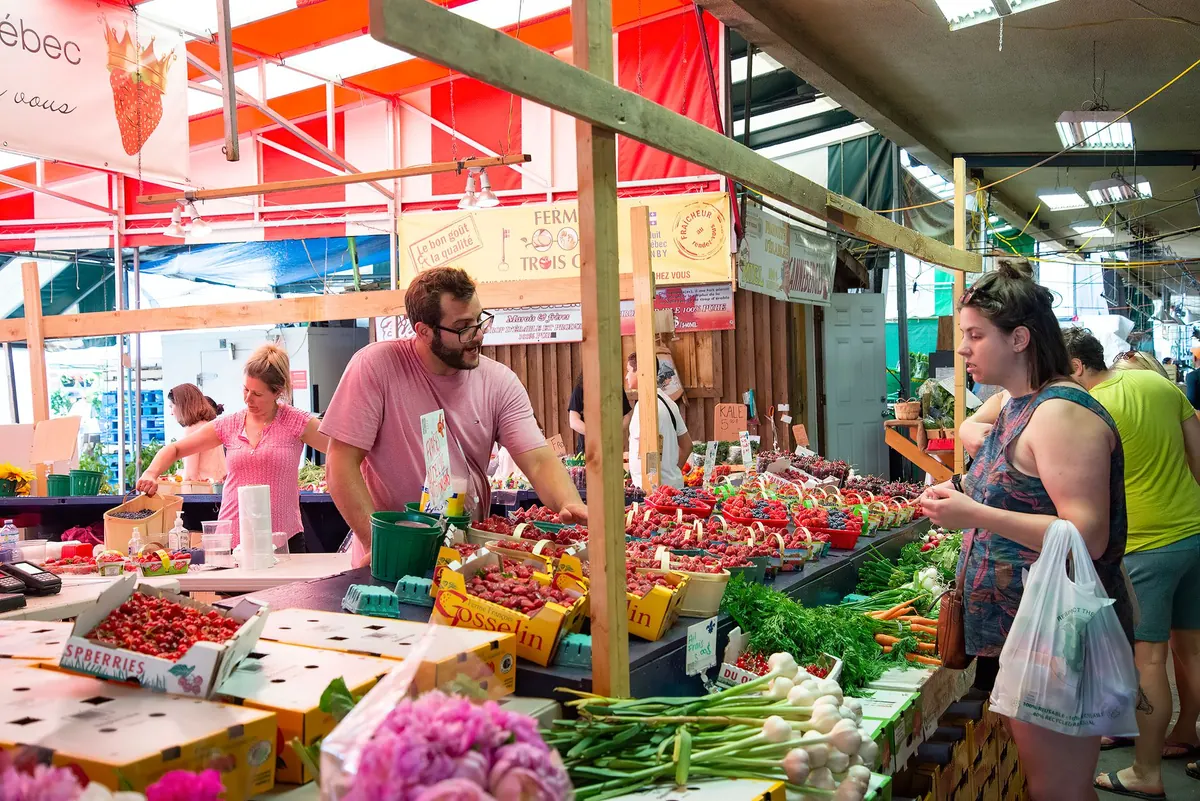
A farmers' market can look like a wall of people from the pavement — a hundred conversations, a maze of tents, and no obvious place to start. The reality is friendlier. Most markets around Suffolk follow the same loose rhythm: growers on the outer rows where vans can pull up, ready-to-eat food near the seating, and a steady flow of regulars who know exactly which stall to hit first. Here is how to walk in without a plan and still come out with a good bag of shopping.
The layout, and why it looks that way
Markets are arranged by practical logic rather than decoration. Vendors arrive early, and the ones with the heaviest loads — vegetable growers, plant sellers, anyone with coolers — take the spots closest to vehicle access, usually the outer edges of the site or the row nearest the road. The middle aisles fill with smaller tables: preserves, honey, soap, bread, crafts.
Hot food clusters together, partly because those stalls need power and water, partly because that is where the queue naturally forms. If you spot a line of people holding coffee, you have found the food zone.
Three things are worth noting on a first lap:
- The information point or market manager's table. Usually near the main entrance. They can tell you which traders take cards, where the toilets are, and whether anyone is running late.
- The layout changes. A market in a town square tends to run in tidy rows; one in a car park or field may be a horseshoe. Do not assume it will match last month.
- Some stalls are seasonal. Strawberries and asparagus appear for a few weeks. Cheese, preserves and meat traders are there most of the year.
Many markets are producer-only, meaning traders must grow or make what they sell. Others allow resellers alongside genuine producers. It is a fair question to ask, and nobody minds answering it.
Cash, cards, and the awkward middle
Payment is what first-timers worry about most, and it is less complicated than it used to be. Most traders now accept cards or phone payments — but not all of them, and mobile signal outdoors can be patchy.
The sensible approach is to bring a modest amount of cash in small notes and coins, and a card as backup. Small notes matter more than you would think: handing over a large note for a single loaf slows the queue and empties the vendor's change tin.
Some markets run a token scheme. You pay by card at a central table near the entrance, receive wooden tokens or vouchers, and hand those to traders instead of coins. If your local market does this, it is worth buying tokens on the way in rather than walking back to a cash machine halfway through.
What to bring
- Cash in small denominations, plus a few coins for single items
- Two sturdy reusable bags with handles — a basket if you plan to buy eggs
- A cooler bag left in the car for anything that needs to stay cold
- A card, in case the stall you want is card-only
- Patience: a trader reconnecting a card reader is a normal sight, not a crisis
The best time to arrive depends on what you want
The first half hour. Best selection, especially for limited stock — the sourdough that sells out, the last of a short season, cuts from a small livestock farm. The trade-offs are tight parking and queues at the most popular tables.
An hour or so after opening. For most people this is the sweet spot. Stock is still good, the initial rush has thinned, and traders have a moment to talk. If you want advice on how to cook something unfamiliar, this is the time to ask for it.
The final hour. This is when discounts appear, as growers try not to cart boxes home. Not every trader does it, and there is no guarantee, but a bag of tomatoes or peppers at a reduced price is a common late find. Selection is thinner, though, and the bakers will usually be sold out.
Traders do pack up early on quiet days. If you are making a special trip for one stall, check the market's social pages that morning or arrive within the first hour.
How to shop without getting in everyone's way
Market etiquette is mostly common sense, but a handful of habits make the trip smoother for you and for the person behind you.
- Ask before handling produce, bread or anything in a lidded jar. Vendors will usually pick it out for you.
- Step to the side of the table to chat. Aisles are narrow and a stopped conversation blocks a dozen people.
- Have your payment ready as you reach the front of the queue.
- Ask what is good today. Growers are usually honest about which variety is at its best and which is about to turn.
- Order ahead if you are buying in bulk. Many traders take pre-orders for collection on market day.
- Dogs are welcome at many outdoor markets, but not near food tables. Check the signs at the entrance.
Spotting a good stall
A few reliable markers: everything is labelled and priced, the trader can tell you where and when it was grown or made, and the range is limited. A stall selling twelve kinds of perfect out-of-season fruit in February is probably not growing it. Buy what is in season and it will taste better and cost less.
Your first visit, step by step
- Park once, then walk the whole market before buying anything. Ten minutes of looking prevents the "I wish I had seen that first" problem.
- Make a mental note of the stalls you want, then shop in reverse order of perishability — heavy bags and chilled items last.
- Talk to at least one trader. Ask what is in season, how they would cook it, and which markets they attend during the week.
- Pay, pack, and get cold items into a cooler bag or straight home.
- Keep the name of any stall you liked. Most vendors sell at several markets across the county, so you can find them again.
Before you set off
Check the opening hours on the day you plan to go. Some markets run weekly, others fortnightly or monthly, and a few move indoors for the winter months. Take cash, take a bag, and try to arrive without a rigid list — the best purchases are usually the ones you did not plan.
If you are shopping for someone with allergies or specific dietary needs, ask the trader directly about ingredients and how the food was prepared, and take medical or dietary decisions to a qualified professional rather than relying on a sign on a table.
The first visit is the awkward one. By the second, you will have a favourite baker, a rough sense of what is in season, and a route through the stalls that avoids the crush at the gate. That is really all there is to it.
Photo: @coldbeer / Pexels


You Might Also Like
Storms knock out power to rural Suffolk lanes and hamlets every winter. A practical checklist of what to keep, who to ring and how to stay warm and safe.
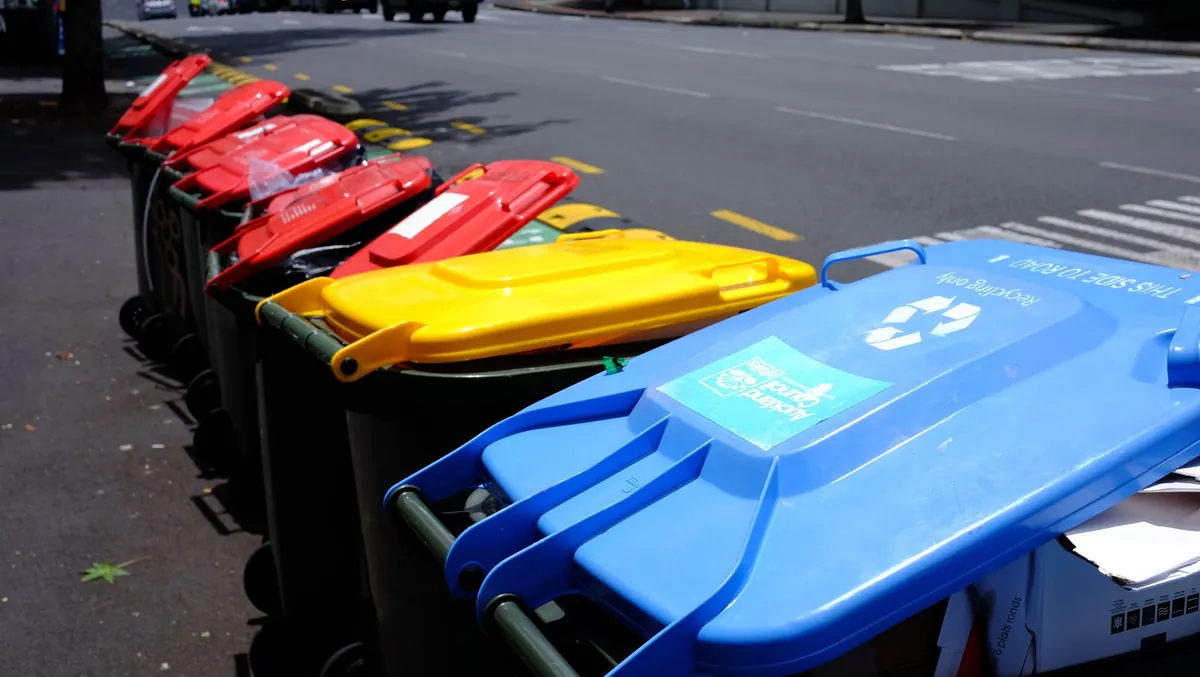
Suffolk's household recycling is changing: more sorting at the kerbside, different collection days and a shorter list of what goes in each bin. Here's how to keep bin day running smoothly.