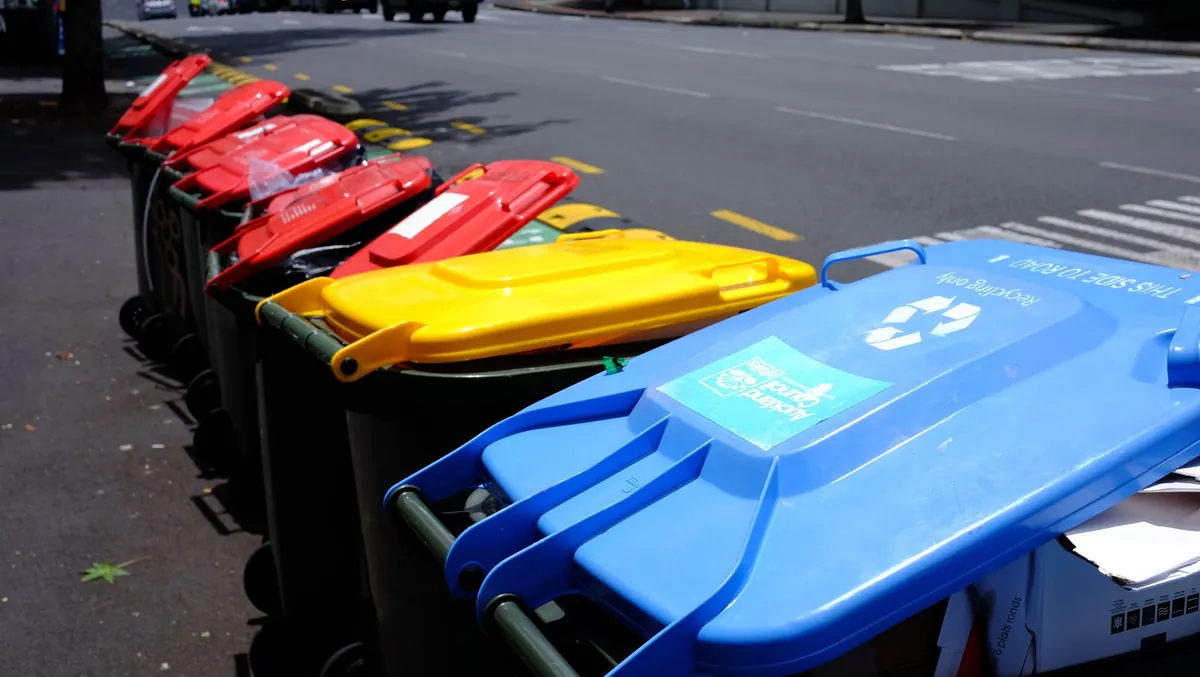
What Suffolk's New Recycling Rules Mean for Your Bin Day
Suffolk's bin rounds are being rewritten, and the changes go well beyond a new sticker on the side of the truck. Sorting, schedules and what counts as recyclable are all shifting at once. If your weekly routine runs on muscle memory, this is the moment to slow down and check the details, because a bin put out on the wrong day, or filled with the wrong things, will simply be left behind.
What is actually changing
Three things, broadly. Households are being asked to sort more at home, general rubbish is being collected less often, and the materials that can be recycled are handled as separate streams rather than one mixed bag. Paper and card, glass, metals and plastics, and food waste each arrive at the kerbside as their own thing.
The logic is simple enough. When everything is tipped into one bin, materials contaminate each other, and a load that is noticeably wrong can be turned away rather than processed. Separating at the source means more of what you put out actually gets recycled instead of being pulled back out and buried.
The practical effect at home is more containers, more small decisions, and a general waste bin that fills faster than it used to. That last point catches people out. A busy household may find a fortnightly general collection tight at first, which is exactly why the other streams matter so much.
Sorting at the kerbside: the new basics
Most homes will be working with some version of these categories. Check your own council's guidance, because the details vary from district to district.
- Paper and card. Keep it dry. Flatten boxes, remove plastic tape and polystyrene packing. Greasy pizza boxes and used kitchen roll belong in general waste.
- Glass. Bottles and jars only. Give them a rinse, and follow your council's instruction on lids, since some want them left on and some off. Drinking glasses, mirrors and ovenware are a different material and should not go in.
- Metals and plastics. Cans, tins, foil, aerosols where accepted, plastic bottles, tubs and trays. Leave bottle tops on unless told otherwise. Film, carrier bags, pouches and crisp packets are usually excluded, and many supermarkets have a collection point for them near the entrance.
- Food waste. A small kitchen caddy emptied into a larger outdoor container. Cooked and uncooked food, tea bags, coffee grounds, bones and plate scrapings all qualify in most schemes. A liner keeps the caddy from becoming a chore.
- Garden waste. Often a paid subscription with its own bin or sacks. If you do not subscribe, grass cuttings and prunings should not go into the general bin. Take them to a household waste site or compost at home.
- General waste. Whatever is genuinely left once the rest has been sorted.
Clean enough, not spotless
A quick rinse is all that is being asked for. You are not scrubbing dishes. The test is whether the item still smells or still holds food residue that would spoil a whole load. If it does, give it another few seconds under the tap. If it does not, it is ready.
What still does not belong in any recycling bin
Some items cause more trouble than they are worth, and a few are genuinely dangerous.
- Nappies and wet wipes, including those marked flushable
- Textiles, which are better taken to a charity bank or clothing collection point
- Batteries, vapes and small electricals. These start fires in collection vehicles and at processing sites. Many shops and supermarkets take them back.
- Polystyrene, black plastic trays, coffee pods and laminated pouches
- Paint, oil, garden chemicals and medical waste, which household waste sites handle separately
Your collection day may move
New rounds mean new routes. Some streets will keep the same day. Others will shift by a day or more, and the rhythm of weekly versus fortnightly collections may change too. Councils publish a calendar, usually online as a postcode lookup or a downloadable sheet. Print it or screenshot it. The paper version that came through the door a year ago is no longer the authority.
A few habits make the changeover much easier:
- Put containers out the night before. Crews often start earlier than they once did.
- Leave them out until the evening on collection day. A late arrival is normal in the first weeks of a new route.
- Set a recurring reminder on your phone for the new day.
- Write the day on the inside of a kitchen cupboard door, where you will actually see it.
- Mention it to a neighbour who may not have seen the notice.
Flats, shared bins and awkward properties
In blocks of flats, the sorting happens at the communal bin store, which makes labelling matter more than usual. If the bins are unlabelled, mixed up or overflowing, the managing agent or landlord is usually the first call and the council's waste team the second. It is worth asking whether food waste can be collected from the block as well. Many schemes accept a communal caddy, and it makes a real difference to how quickly the general bins fill.
For houses with long drives, steep steps or no frontage at all, an assisted collection can be arranged on request. Narrow lanes and terraced streets sometimes move to shared bins instead of individual ones. If any of that applies to you, get in touch before the new rounds start rather than after the first missed collection.
If you are not sure, ask before you guess
Guessing is the main reason recycling loads get rejected. The well-meant instinct to drop something into the recycling bin just in case, whether it is a yoghurt pouch, a battery or a broken mug, causes more harm than putting it in the general waste. When in doubt, check your council's A-to-Z of materials, use their postcode lookup, or ring the waste team. It takes two minutes, and it is the difference between a load that gets recycled and one that does not.
One last thing worth remembering: Suffolk is not a single collection authority. District and borough councils run the rounds and the county handles disposal, so the rules on your street are not automatically the rules two towns over. Read the information for your own address rather than the version a friend shared in a local group. And if the new system feels fiddly in week one, give it a month. Most households find the routine settles quickly once the caddy lives on the counter and the calendar lives on the fridge.
Photo: Thomas / Pexels


You Might Also Like
Storms knock out power to rural Suffolk lanes and hamlets every winter. A practical checklist of what to keep, who to ring and how to stay warm and safe.
Rural bus cuts bite hardest in winter, when a cancelled journey means no appointment, no shopping and no way home before dark. Suffolk should fund them properly.