Moving to Bury St Edmunds: A New Resident Checklist for Schools, Bins, and GP Registration
Moving to Bury St Edmunds: A New Resident Checklist for Schools, Bins, and GP Registration
EXCERPT: A practical checklist can turn the chaos of moving to Bury St Edmunds into a manageable sequence of small, satisfying tasks. Whether you are relocating from another part of Suffolk, another UK county, or returning from abroad, the first few weeks are about establishing the basics: a registered address, school places, waste collection, and healthcare. This guide walks through the most important steps, with local context and examples, so you can settle into the town without missing deadlines or relying on guesswork.
First steps: address, council tax, and proof of residency
Before you can tick off schools or GP registration, you need a documented address. Most councils, schools, and health services will ask for proof that you live in Bury St Edmunds, so gather your tenancy agreement, mortgage statement, recent utility bill, or council tax letter as soon as possible. Keep digital copies and a paper folder, because you may need the same documents several times in the first month.
- Tell West Suffolk Council you have moved: Council tax, bins, and electoral roll updates are handled by West Suffolk Council. Report your move online and set up a direct debit if you have not already.
- Set up council tax: Your property will be in a band from A to H. If you live alone, ask about the single person discount, which usually reduces the bill by 25%. If you move mid-month, the council will adjust the charge from your completion date.
- Update your address everywhere: Banks, insurance, DVLA, HMRC, employers, subscription services, and the electoral register. This is tedious but prevents problems with credit checks, voting, and deliveries.
- Arrange utilities: Anglian Water is the local water supplier. For gas and electricity, take meter readings on moving day and set up accounts with your chosen supplier. Broadband speeds vary by street, so check availability before you commit to a contract.
Schools in Bury St Edmunds: admissions, catchments, and in-year moves
School admissions in Suffolk are coordinated by Suffolk County Council. Bury St Edmunds has a mix of primary and secondary schools, including community schools, academies, and faith schools. Popular schools can fill quickly, so the earlier you understand the process, the better.
Primary and secondary admissions
For reception and year 7 places, you normally apply through the Suffolk County Council admissions portal during the national admissions round. You will be asked to list preferences, and the address you give must be your permanent home address. Catchment areas matter, but they are not the only factor. Some schools give priority to siblings, children with medical or social needs, and faith requirements.
- Check catchment areas: Use Suffolk County Council's school finder or contact the school directly. A house can be close to a school but outside its designated catchment.
- Use the admissions portal: Apply before the deadline. Late applications are usually considered after on-time ones, which can mean fewer choices.
- Faith schools: Schools such as St Benedict's Catholic School may require a supplementary information form or evidence of baptism or practice. Read the admissions policy carefully.
- Siblings: If you already have a child at a school, mention this in your application. Sibling priority is common but not guaranteed.
In-year admissions and appeals
If you move during the school year, you will usually apply directly to the school or through Suffolk's in-year admission process. Contact the school office first to ask whether they have a space in your child's year group. If no place is available, you can ask about waiting lists and appeal rights. Appeals are independent, but they work best when you have clear reasons and supporting evidence.
Tip: Apply as soon as you have a confirmed move date, even if it is provisional. Popular year groups can fill quickly, and waiting until you have keys can mean weeks of temporary travel.
SEND and extra support
If your child has an Education, Health and Care Plan, or additional needs, contact Suffolk County Council's SEND team early. Do not assume that a school place and support will transfer automatically. Bring reports, diagnoses, and current provision details to meetings. The sooner the new school understands your child's needs, the smoother the transition will be.
Bins, recycling, and waste collection
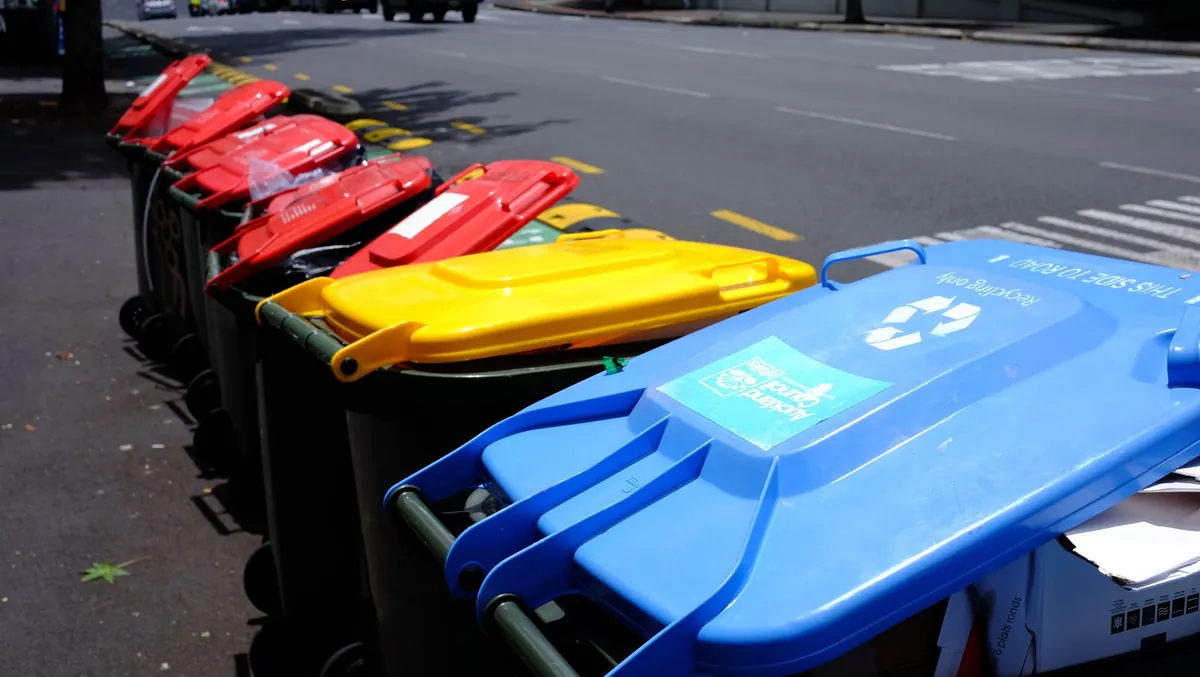
Waste collection in Bury St Edmunds is managed by West Suffolk Council. When you move in, check what bins are already at the property and whether they belong to the address or the previous occupier. In most cases, bins stay with the property, but it is worth confirming.
- Find your collection day: Enter your postcode on the West Suffolk Council website. Collection days can change after bank holidays, so check regularly.
- Order bins or containers: If bins are missing or damaged, request replacements from the council. There may be a charge for some containers.
- Know what goes where: General waste, recycling, and garden waste have different rules. Recycling should be clean, dry, and loose, not bagged. Food waste arrangements can vary, so follow the council's current guidance.
- Garden waste: Garden waste collections often require a paid subscription. If you have a large garden, this can be worth budgeting for.
- Bulky waste and missed collections: For old furniture, mattresses, or white goods, book a bulky waste collection or take items to a household waste recycling centre. If your bin is missed, report it online within the council's time limit.
Practical bin-day tips
Put bins out by 6am on collection day, or the night before if you are not an early riser. In windy weather, secure lids and avoid overfilling. If you live in a flat or shared house, agree a rota with neighbours so bins are brought in promptly. This keeps streets tidy and avoids fines or complaints.
GP registration and healthcare
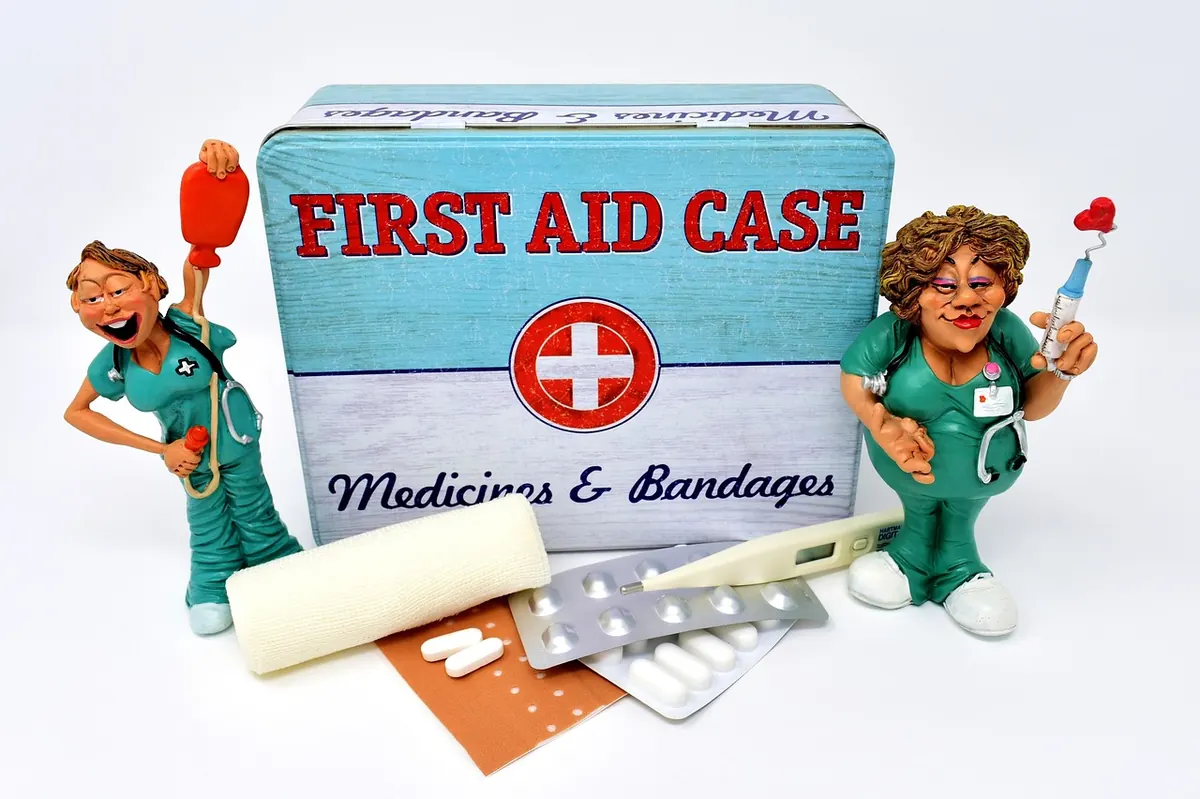
Registering with a GP should be near the top of your list, especially if you have prescriptions, ongoing conditions, or young children. GP surgeries usually have catchment areas, so not every practice will accept you. Use the NHS website to search for surgeries near your postcode, then check their registration process.
- Find a surgery in your catchment: Search by postcode and read recent patient feedback if you are unsure.
- Check availability: Some surgeries are full or have limited appointments. Ask whether they are accepting new patients before you rely on them.
- Gather documents: You may need photo ID, proof of address, your NHS number, and details of previous GP and medications.
- Submit registration: Many surgeries offer online forms, but you can usually register in person or by post as well.
- Transfer prescriptions: Ask your new GP to update your nominated pharmacy. If you take regular medication, request enough supply to cover the move.
Dentists, pharmacies, and hospitals
NHS dental places can be limited in Suffolk, so start looking early. Call several practices and ask whether they are accepting new NHS patients. If you need urgent dental care and cannot get an appointment, call NHS 111. For prescriptions and minor ailments, local pharmacies are often open longer than GP surgeries and can offer advice. West Suffolk Hospital is the main local hospital for many services, while some specialist care may be provided in Cambridge, Ipswich, or Norwich.
Extra useful section: getting around and settling in
Parking, buses, and trains
Bury St Edmunds is a walkable town, but parking rules still catch new residents out. West Suffolk Council operates several car parks, and some streets have resident permit schemes. Check signs carefully and apply for a permit if your street requires one. For longer journeys, Bury St Edmunds railway station offers trains towards Ipswich, Cambridge, and beyond, while local buses connect surrounding villages and estates. If you commute, test your route at peak times before committing to a routine.
Libraries, community, and local services
Suffolk Libraries run Bury St Edmunds Library, which is useful for books, printing, study space, and community events. The town also has a lively calendar around Abbey Gardens, the market, Theatre Royal, and The Apex. Joining a club, volunteering, or attending a local café or parent group can make a new town feel familiar much faster. If you have children, ask at school about breakfast clubs, after-school activities, and holiday schemes.
A simple first-week checklist
- Report your move to West Suffolk Council and set up council tax.
- Take meter readings and arrange utilities and broadband.
- Check your bin collection day and order missing bins.
- Contact Suffolk County Council about school admissions or in-year transfers.
- Register with a GP and, if needed, look for an NHS dentist.
- Update your address with the DVLA, HMRC, banks, and insurance providers.
- Explore your local area, join the library, and introduce yourself to neighbours.
Moving to Bury St Edmunds does not have to be overwhelming. By working through schools, bins, GP registration, and the practical admin in a sensible order, you can settle in faster and start enjoying the town rather than chasing paperwork. Keep a checklist, ask questions early, and use local council websites as your main source of current information.
Photo: Dragon77 / Pixabay


You Might Also Like
Storms knock out power to rural Suffolk lanes and hamlets every winter. A practical checklist of what to keep, who to ring and how to stay warm and safe.
Suffolk's household recycling is changing: more sorting at the kerbside, different collection days and a shorter list of what goes in each bin. Here's how to keep bin day running smoothly.